


-

Add: HeBei ShengShi HongBang Cellulose Technology CO.,LTD.
-

Email
13180486930@163.com -

CONTACT US
+86 13180486930





wood cellulose,xylem fiber,fibre made from wood pulp,cellulose extraction from wood,cellulose wood fibers is a key solution in the manufacturing industry, specifically within Paper and paper products industry and Pulp manufacturing. This article explores how HeBei ShengShi HongBang Cellulose Technology CO.,LTD. supports professionals with durable, high-performance products, and explains why this product is an ideal choice for businesses in these sectors. Table of Contents wood cellulose,xylem fiber,fibre made from wood pulp,cellulose extraction from wood,cellulose wood fibers Overview Benefits & Use Cases of wood cellulose,xylem fiber,fibre made from wood pulp,cellulose extraction from wood,cellulose wood fibers in Pulp manufacturing Cost, Maintenance & User Experience Sustainability & Market Trends in manufacturing Conclusion on wood cellulose,xylem fiber,fibre made from wood pulp,cellulose extraction from wood,cellulose wood fibers from HeBei ShengShi HongBang Cellulose Technology CO.,LTD. wood cellulose,xylem fiber,fibre made from wood pulp,cellulose extraction from wood,cellulose wood fibers Overview In pulp manufacturing, wood cellulose—often described as xylem fiber or cellulose wood fibers—forms the backbone of paper strength, formation, and runnability. As a fibre made from wood pulp, it is derived through controlled cellulose extraction from wood, typically via kraft or sulfite pulping, followed by mechanical refining, classification, and optional surface modification. The result is a clean, consistent fiber matrix engineered to optimize dry and wet strength, drainage, and filler retention across a wide range of grades. HeBei ShengShi HongBang Cellulose Technology CO.,LTD. supplies high-purity wood cellulose designed for industrial reliability and reproducibility. Typical technical parameters can include low ash content, neutral pH, controlled moisture, and tightly managed fiber length distribution to balance bonding with drainage. Many customers specify tailored properties—such as targeted freeness, fibrillation level, or brightness—to suit tissue, printing/writing, specialty, and packaging applications. For B2B decision makers, the relevance is clear: properly specified xylem fiber stabilizes wet-end chemistry, improves machine productivity, and reduces variability in downstream converting. Paired with application support from HeBei ShengShi HongBang Cellulose Technology CO.,LTD., mills can translate material performance into measurable operational gains and predictable product quality. Benefits & Use Cases of wood cellulose,xylem fiber,fibre made from wood pulp,cellulose extraction from wood,cellulose wood fibers in Pulp manufacturing Across pulp and paper operations, precision-engineered wood cellulose and xylem fiber deliver a portfolio of benefits. At the wet end, optimized fibrillation increases bonding potential, elevating tensile, SCT, and burst without excessive fines generation. These cellulose wood fibers also improve drainage and dewatering, supporting higher machine speeds and reduced steam demand in drying. In filled systems, they enhance filler retention and sheet formation, often enabling higher ash targets without compromising strength. Use cases include strength enhancement in recycled-fiber packaging, softness-to-strength balancing in tissue and towel, dimensional stability in printing/writing papers, and functional performance in specialty grades (from filtration papers to battery separators). When combined with starch, AKD/ASA, or synthetic latex systems, a fibre made from wood pulp can unlock synergistic strength and sizing performance. HeBei ShengShi HongBang Cellulose Technology CO.,LTD. brings process know-how that spans raw material selection, cellulose extraction from wood, and finishing operations that control fiber morphology. This expertise helps mills match fiber specifications to grade targets, seasonality, and furnish composition—minimizing trial time and accelerating ROI. Technical teams can advise on dosage windows, dispersion protocols, and compatibility with existing retention and wet-strength chemistries. Cost, Maintenance & User Experience Total cost of ownership for wood cellulose in pulp manufacturing hinges on more than price-per-ton. Mills evaluate the impact on chemical consumption, steam and power usage, machine runnability, and waste reduction. Consistent xylem fiber quality can reduce sheet breaks, stabilize basis weight, and increase first-pass retention—value drivers that translate into lower cost-per-ton of saleable paper. Operationally, modern cellulose wood fibers from HeBei ShengShi HongBang Cellulose Technology CO.,LTD. are engineered for easy handling. They are supplied in flow-friendly packaging with good dispersibility, reducing make-down time and minimizing equipment fouling. Customers in the Paper and paper products industry report smoother startups, predictable refiners’ energy profiles, and improved wet-end stability when switching to a fibre made from wood pulp with tighter spec control. From a user-experience standpoint, the combination of application support and reliable supply shortens trial cycles and limits unplanned downtime. The net effect is stronger, more uniform paper at equal or lower overall cost, plus the flexibility to pursue higher filler strategies or lighter basis weights—both proven pathways to enhanced ROI. Sustainability & Market Trends in manufacturing With demand growing for renewable, recyclable materials, wood cellulose is central to the industry’s decarbonization and circularity strategies. Derived from responsibly managed forests, xylem fiber aligns with market and regulatory expectations for bio-based content and improved end-of-life outcomes. As single-use plastics face increasing scrutiny, cellulose wood fibers enable new fiber-based packaging formats and barrier solutions without compromising performance. Regulatory momentum—from extended producer responsibility to evolving packaging directives—favors materials sourced through transparent cellulose extraction from wood. Mills increasingly seek suppliers who can support traceability, resource efficiency, and reduced environmental footprint. HeBei ShengShi HongBang Cellulose Technology CO.,LTD. invests in process improvements that target energy and water efficiency while prioritizing quality consistency. The company’s forward-thinking approach helps customers meet internal ESG targets and external compliance requirements. Market trends also point to premium growth in specialty papers, tissue, and lightweight packaging. By pairing application expertise with tailored fiber morphology, HeBei ShengShi HongBang Cellulose Technology CO.,LTD. helps producers innovate faster, reduce risk, and bring sustainable products to market at scale. Conclusion on wood cellulose,xylem fiber,fibre made from wood pulp,cellulose extraction from wood,cellulose wood fibers from HeBei ShengShi HongBang Cellulose Technology CO.,LTD. For pulp manufacturing leaders, wood cellulose—delivered as xylem fiber and other cellulose wood fibers—provides a proven route to higher strength, better runnability, and improved sustainability. With deep know-how in cellulose extraction from wood and precise control of fiber properties, HeBei ShengShi HongBang Cellulose Technology CO.,LTD. is a dependable partner for performance and value. Explore how a fibre made from wood pulp can unlock your next efficiency gain or product innovation. Contact us: email: 13180486930@163.com Visit our website: https://www.sshbhpmc.com
- 40000tons

Production
- 20+years

Experience
- 5000+㎡

Acreage

-
When it comes to pharmaceutical excipients, one of the highly essential components is Hypromellose, also known under the CAS number HPMC 2910. This versatile polymer plays a crucial role in the formulation of various medical and food products, highlighting its remarkable functionality and reliability in the industry. HPMC 2910, known for its unique characteristics, is a testament to the continuous advancement in material science that caters to modern-day pharmaceutical needs. Drawing from extensive industry experience, manufacturers value HPMC 2910 for its multifunctionality . Predominantly, it serves as a binder, controlled-release agent, and even as a thickener or stabilizer in liquid formulations. Its capability to modify the viscosity of compounds makes it indispensable in ensuring the consistent efficacy and delivery of active ingredients. In-depth studies showcase the superior binding properties of HPMC 2910, facilitating the production of stable and uniform tablets that disintegrate appropriately once ingested. Professionals in the pharmaceutical field often emphasize its adaptability in various formulations, making it a gold standard among excipients. Expertise in utilizing HPMC 2910 lies in understanding its physicochemical properties, which include excellent film-forming ability and significant pH tolerance. These properties are pivotal when creating coatings for tablets that must withstand the acidic environment of the stomach while ensuring targeted release in the intestines. The authority of HPMC 2910 in pharmaceutical applications is underscored by its compliance with major pharmacopeias globally, such as the USP, EP, and JP. This compliance ensures its quality and safety, reinforced by numerous regulatory bodies. The consistent performance and quality standards maintain its authoritative status among formulators who require dependability in their components. hpmc 2910 Trust in HPMC 2910 is further enhanced by empirical evidence and real-world application success. Studies have recorded its non-toxic, hypoallergenic nature, making it a safe choice for a wide range of therapeutic and dietary applications. Its inert properties do not react with other active ingredients, preserving the stability and potency of medications. Trusted professionals in the industry reiterate HPMC's utility not only because of its efficacy but also due to its stability in long-term storage conditions. In addition, practitioners often highlight its environmental sustainability compared to synthetic alternatives. HPMC 2910 is derived from cellulose, a renewable resource, aligning with the growing demand for environmentally responsible excipients in pharmaceutical manufacturing. The ethical production and sourcing of HPMC 2910 further establish its credibility and acceptance in the market focused on sustainable practices. Ultimately, incorporating HPMC 2910 into formulations exemplifies the blend of experience, expertise, authoritativeness, and trustworthiness. These four pillars not only define its widespread use but also reflect the reliability required by pharmaceutical companies to meet the rigorous demands of healthcare provision. The continuous innovation and adaptability of HPMC 2910 make it a cornerstone excipient for future pharmaceutical advancements, strengthening its standing as a foremost element in product formulation.
-
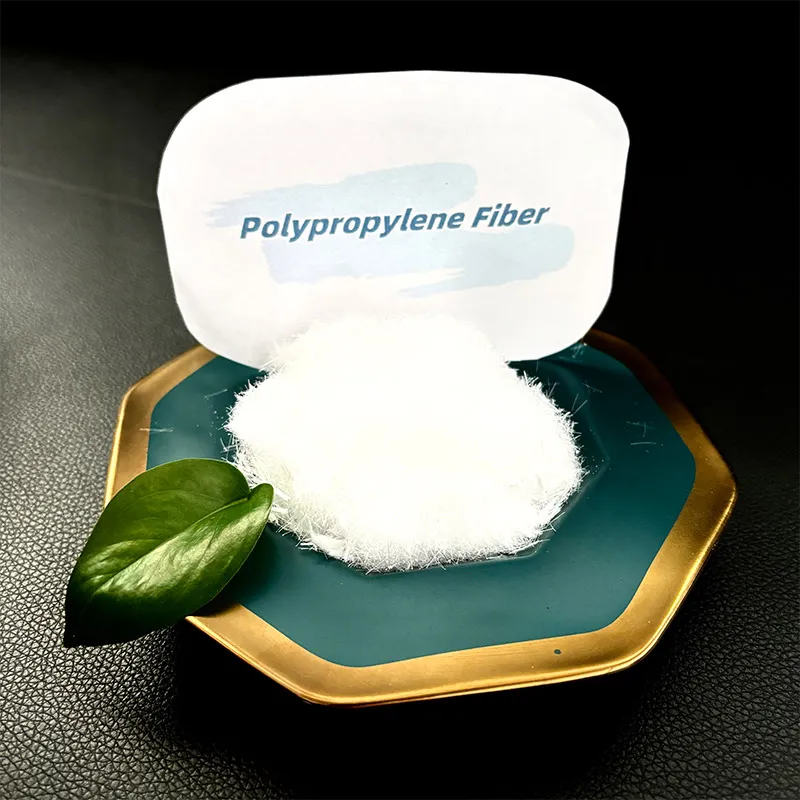
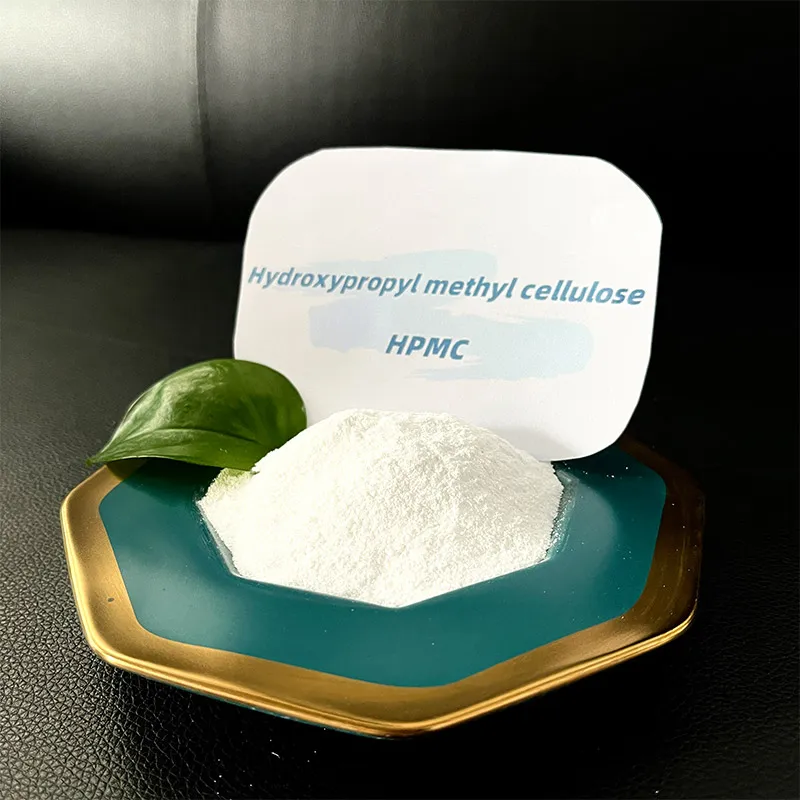
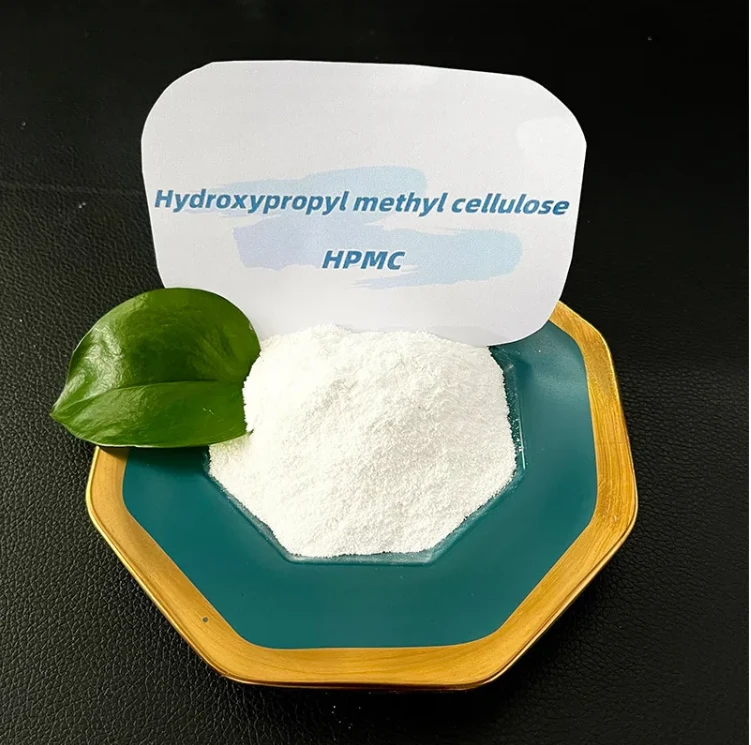
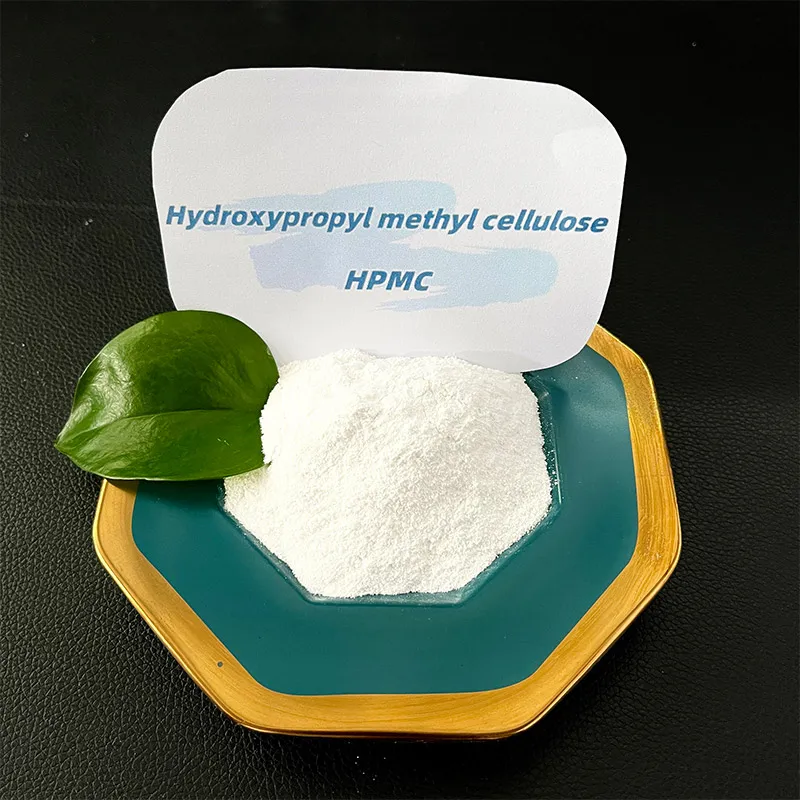
Cellulose ether HPMC (Hydroxypropyl Methylcellulose) has emerged as a significant player in the realm of construction and pharmaceutical industries, characterized by its multifunctional applications and its intrinsic value in product formulation. Unlike conventional compounds, HPMC is derived from cellulose, a naturally occurring polymer, which ensures its contribution towards sustainability while enhancing performance in various applications. In the construction industry, HPMC is unparalleled for its ability to modify rheological properties. Its utilization in cement-based materials promotes workability, water retention, and open time. By enhancing the adhesive properties, HPMC ensures optimal adherence of tiles, thus extending longevity and durability in construction projects. For experienced construction professionals, HPMC has become synonymous with quality and reliability. The cellulose ether's ability to drastically reduce cracking and improve tensile strength in mortar applications endorses its necessity for any construction operation seeking efficiency and sustainable results. Transitioning to the pharmaceutical sector, HPMC showcases its versatility as a film-former and coating agent that is indispensable for tablet manufacturing. Its capability to improve the dissolution profiles of active pharmaceutical ingredients demonstrates its importance in controlled drug delivery systems. With a profound understanding of how HPMC enhances viscosity and stability, it is vital for formulators who aim to maintain the bioavailability of drugs while ensuring patient compliance through modified release mechanisms. Experts in polymer science laud HPMC for its thermal gelation properties . This unique characteristic allows professionals to design and innovate formulations that require precise gelatinous behavior upon heating. The nonionic nature of HPMC enables it to function without dependency on pH, ensuring chemical stability across a wide range of formulations. As such, its integration in personal care products such as shampoos and lotions highlights its efficacy in improving texture and aesthetic appeal, serving as a testament to its authority in diverse industries. cellulose ether hpmc Trust in HPMC is well justified by its extensive regulatory acceptance. Accredited by numerous health organizations globally, HPMC's designation as a Generally Recognized As Safe (GRAS) material underscores its safety profile. Manufacturers capitalize on its biodegradability, addressing increasing consumer consciousness for environmentally friendly products. By conforming to international manufacturing standards, producers of HPMC establish trust and reliability, ensuring that end-users receive products that meet rigorous safety and quality compliances. For product development, the adaptability of HPMC is indispensable. Research and development specialists view it as a bridge to future innovations allowing for enhanced bioactivity and functional improvements in textiles and adhesives. This adaptability makes it a beneficial staple in research initiatives aimed at discovering new use cases and improving current applications. In summary, the advantages of cellulose ether HPMC reflect a multifaceted utility backed by undeniable expertise and authority within its field. Its ability to integrate into various industries—from construction to pharmaceuticals—while promoting enhanced performance and ecological sustainability, makes it a critical asset. Professionals and consumers alike can trust its reliable performance, as validated by regulatory standards and years of proven application. Whether in creating robust structures or facilitating advanced medical therapies, HPMC stands as a testament to the intersection of innovation and necessity in integerating superior materials into everyday solutions.
advantages
-

200000 Viscosities
Excellent product
We can produce pure products up to 200,000 viscosities
-

40000 tons
High yield
We don’t stop production all year round, and the annual output can reach 40,000 tons
-

24 hours
Quality service
We provide 24-hours online reception service, welcome to consult at any time
———— Inquiry Form
Schedule A services
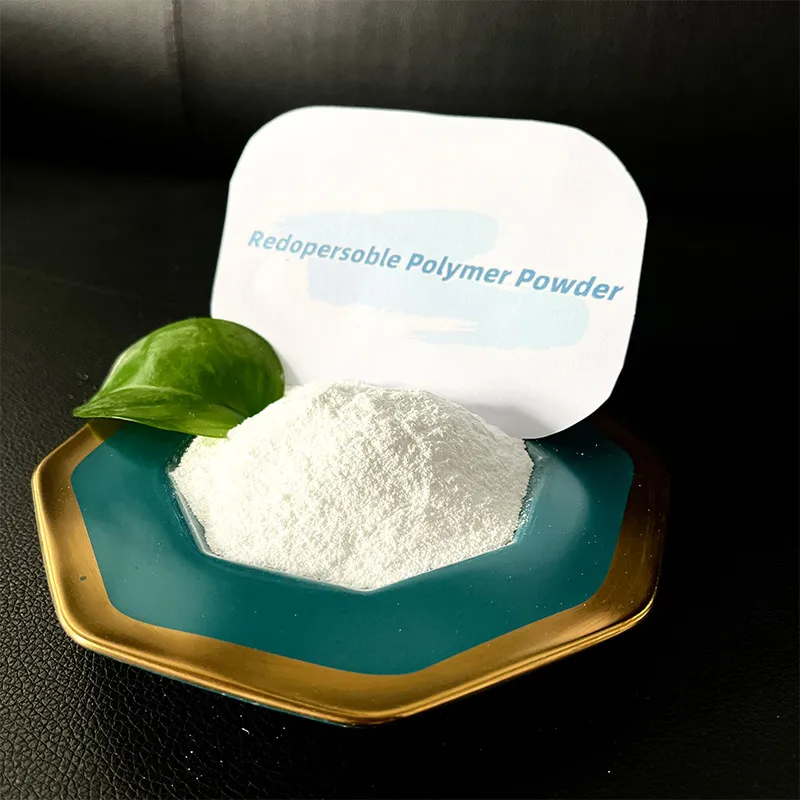

-
 precio_del_polvo_de_polimero_redispersable
Oct . 25, 2025
Polymer powder is a key ingredient in many industries, providing critical properties to products in -
 macro_synthetic_fiber
Oct . 25, 2025
In the realm of construction and building materials, one innovative component is making waves for it -
 concrete_with_fibre_reinforcement
Oct . 25, 2025
In the ever-evolving construction industry, materials that enhance performance, longevity, and effic


